
On-page optimization is the practice of adjusting the elements on your own website — title tags, headings, content, internal links — so search engines and AI systems can understand exactly what a page is about and rank it for the right queries. Unlike off-page SEO, everything here is fully within your control.

Title Tags and Meta Descriptions
The title tag is the first thing both users and search engines see. Keep it under 60 characters, keyword-focused, and accurate to the page’s content. Pair it with a meta description of 140-160 characters that includes a clear call to action — this is what actually drives clicks once a page ranks, not just the ranking itself.
Keyword Placement
Good on-page optimization means placing your primary keyword naturally within the first 100 words of body copy, giving both readers and search engines instant confirmation they’ve landed on the right page. Keywords should appear throughout the content where they fit naturally — never stuffed in for the sake of it.
Heading Structure
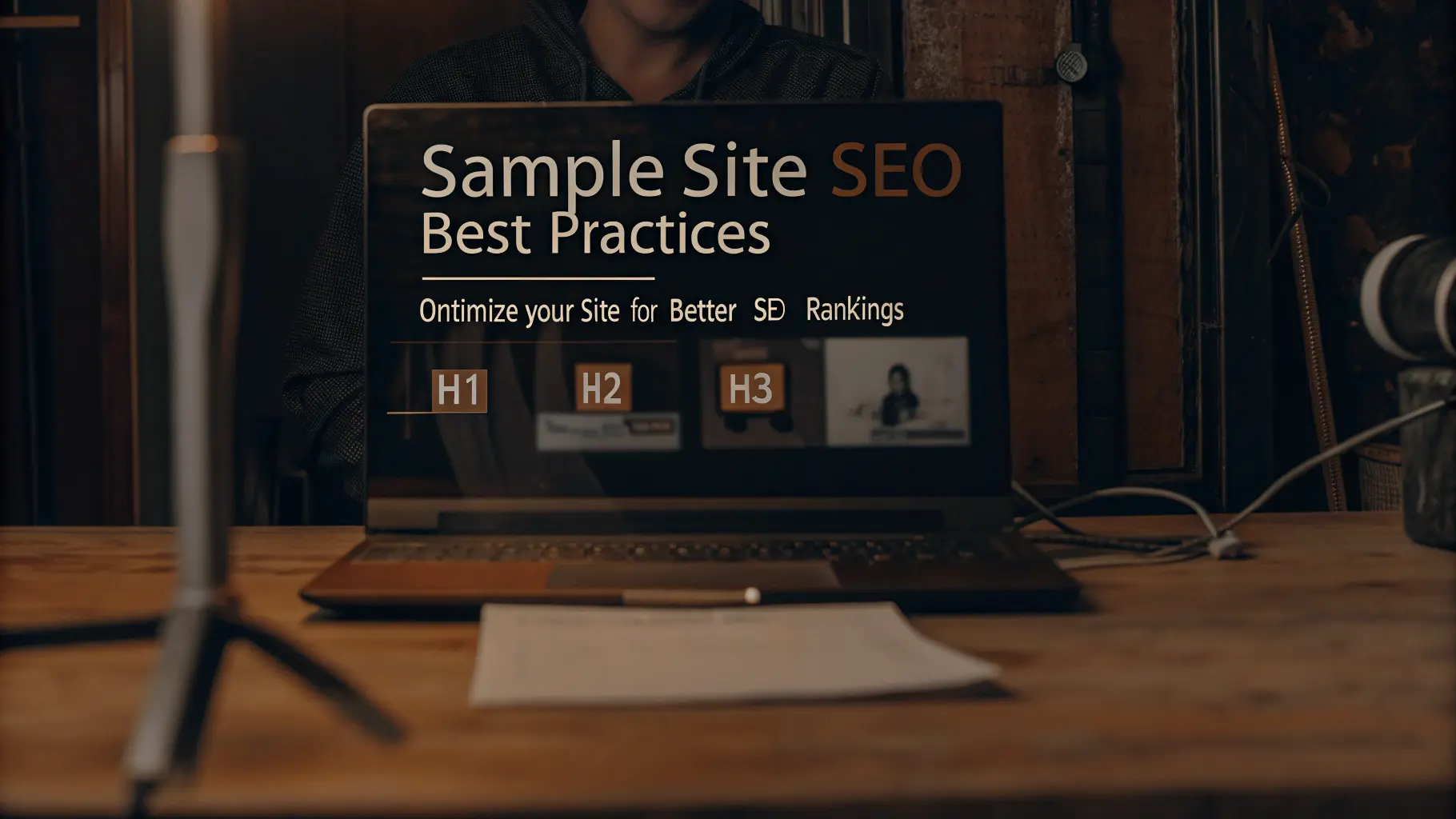
Every page needs one unique H1 matching the page’s search intent, with H2s breaking the topic into main sections and H3s covering supporting points underneath. This hierarchy helps search engines and, increasingly, AI tools understand how a page’s content is organized — see our full guide on using heading tags properly for the complete rules.
Internal Linking
Descriptive anchor text — “on-page optimization checklist” instead of “click here” — tells Google exactly what the linked page covers. A sensible guideline is 3-5 internal links per 1,000 words, pointing to genuinely related content rather than scattered links for their own sake.
URL Structure and Sitemaps
Short, descriptive, hyphen-separated URLs that include the primary keyword help both search engines and AI systems parse what a page covers at a glance. A submitted sitemap — a list of links provided directly to search engine crawlers — helps ensure new or updated pages get indexed efficiently; see why creating a sitemap is necessary for more detail.
Why On-Page Optimization Matters More With AI Search
Rich results and FAQ schema markup significantly outperform standard listings in click-through rate, and clean on-page optimization is exactly what makes a page eligible for those enhanced results. See Google’s Core Web Vitals documentation for the technical performance side of this equation. It also gives AI search tools the structure and topical clarity they need to extract and cite your content accurately — generic, thin content simply doesn’t hold up in either system anymore.
Good on-page optimization isn’t a one-time checklist either — revisit it whenever a page’s rankings slip or its content goes stale, not just when the page is first published.
Frequently Asked Questions
What is on-page optimization in simple terms?
It’s every SEO element you control directly on your own page — title tags, headings, content, internal links, and URL structure — as opposed to off-page factors like backlinks.
How is on-page optimization different from technical SEO?
On-page optimization focuses on content and structure elements like titles and headings, while technical SEO covers site-wide factors like page speed, crawlability, and Core Web Vitals.
Does on-page optimization still matter with AI search tools?
Yes — clear structure and quality content help AI systems extract and cite your content accurately, making on-page optimization just as relevant for AI visibility as for traditional rankings.
Want your site’s on-page optimization reviewed? Get in touch and we’ll run through the checklist with you.