
A small business website used to be a digital brochure. In 2026 it does much more. It is where customers check you out, watch a short video to decide whether they trust you, and either call you or leave. For small and medium-sized businesses, the companies that grow online usually get three things working together: a well-built website, useful video, and search engine optimization that brings the right visitors in.
This guide walks through each piece in plain terms. You’ll see what a modern small business website needs, where video helps, how SEO connects everything, and how to plan the work without wasting your budget.
Why Your Small Business Website Is Still Your Most Important Asset
Social media profiles, marketplace listings, and directory pages are useful, but you don’t own them. Platforms change algorithms, raise ad prices, or shut features down overnight. Your small business website is the one channel you fully control, and every other channel should point back to it.
It is also where buying decisions happen. Most shoppers look a business up online before they call, book, or buy. If they find a slow, outdated small business website, or no site at all, many will simply choose the competitor whose site answered their questions.
For SMEs, a small business website does three jobs at once:
- It builds trust. Real photos, reviews, clear pricing signals, and contact details tell visitors you are a legitimate business.
- It answers questions. Service pages, FAQs, and videos handle the questions your team would otherwise repeat on the phone.
- It converts. Clear calls to action turn visitors into leads, bookings, or sales around the clock.
What a Modern Small Business Website Needs in 2026
You don’t need hundreds of pages. You need the right pages, built well. Before you spend anything, decide what you want the site to do. That might be generating quote requests, booking appointments, or selling products. Every design choice should support that goal.
Mobile-First, Fast-Loading Design
Most local searches happen on a phone, so design your small business website for the small screen first. Keep layouts simple, make buttons easy to tap, and put your phone number where people can find it. Speed matters just as much. Compress images, avoid heavy plugins, and choose reliable hosting. A site that takes several seconds to load loses visitors before they see your offer.
Clear Service Pages and Calls to Action
Give each core service its own page. A plumber should have separate pages for drain cleaning, water heaters, and emergency repairs rather than one long list. This helps visitors find what they need, and it gives search engines a specific page to rank for each service. End every page with one clear next step, such as “Request a quote” or “Book a call.”
Trust Signals and Easy Maintenance
Add testimonials, recognizable client logos, certifications, and a real About page with your team. Then make sure the site is easy to update. A content management system like WordPress lets you add a new service, post, or video without calling a developer for every change. If you’re weighing who should build it, our comparison of website building services for small businesses breaks down the real options.
How Video Production Helps Small and Medium-Sized Businesses
Video is no longer reserved for big brands with big budgets. According to Wyzowl’s 2026 State of Video Marketing survey, 91% of businesses now use video as a marketing tool, and most marketers say it gives them a good return on investment and helps generate leads. The same research found that a short video is the format people most prefer when learning about a product or service.
For SMEs, the reason is simple. Video shows what text can’t. A 60-second clip of your team at work, your finished projects, or a customer explaining their result builds trust faster than a page of claims.
Video Types That Work for SMEs
- Brand or “about us” video: introduces the owner and team, and works well on the homepage and About page.
- Explainer video: shows how your service or product works in under two minutes.
- Customer testimonial video: real clients describing real results, the most persuasive format for most service businesses.
- Product or process demo: ideal for manufacturers, retailers, and contractors who want to show quality up close.
- Short social clips: cut-downs of longer videos for Instagram, LinkedIn, YouTube Shorts, and TikTok.
Professional Production vs. DIY Video
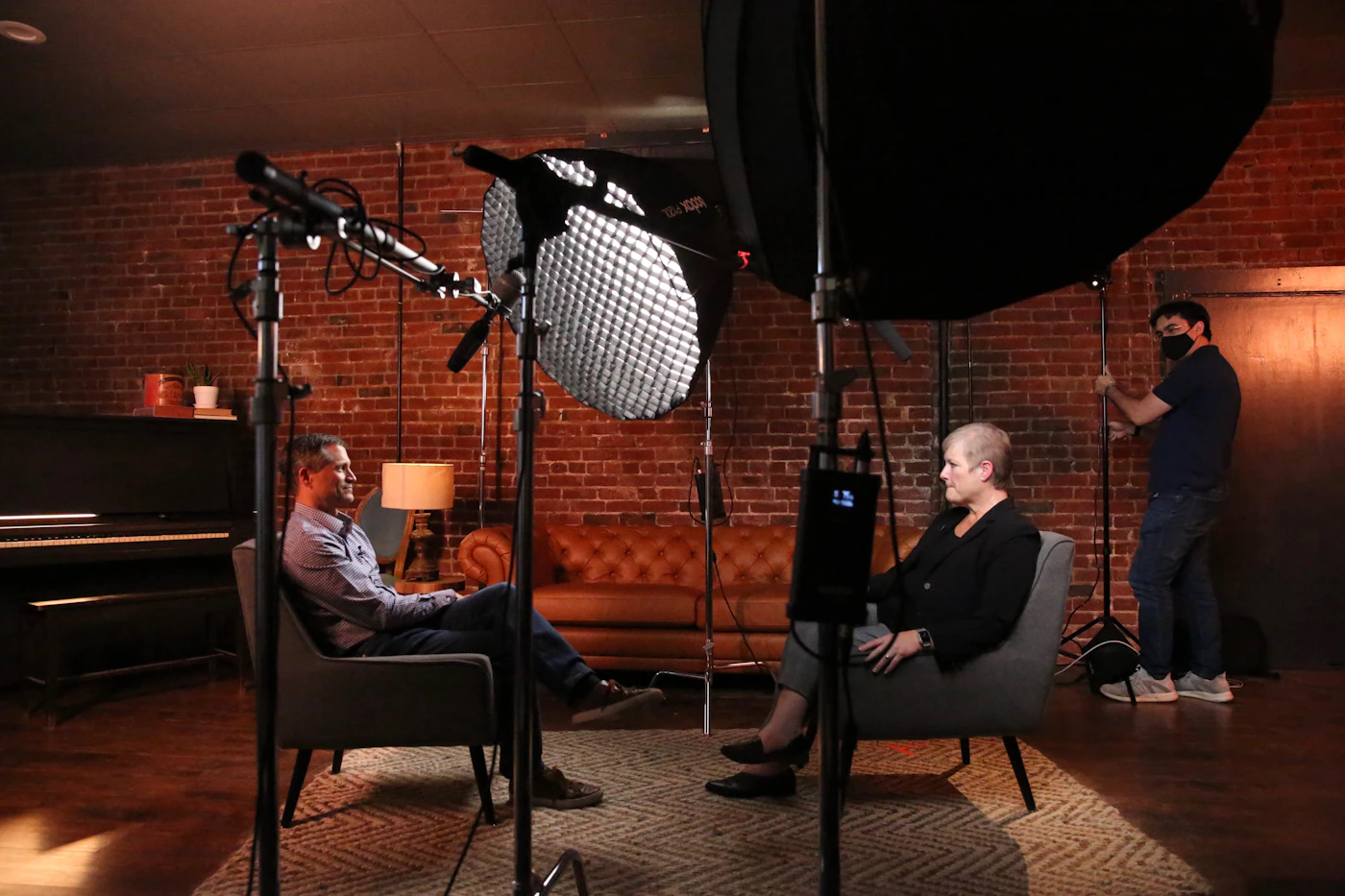
A smartphone, good natural light, and a cheap lavalier microphone can produce perfectly usable testimonials and quick tips. However, your main brand video and homepage hero video deserve professional production. Poor audio, shaky footage, or weak editing on your most-viewed video can undercut the trust you’re trying to build. A smart approach is to invest professionally in one or two cornerstone videos, then supplement them with simple in-house content.
Small Business SEO: Getting Found by the Right Customers
A great site and polished videos won’t help if nobody finds them. That’s where small business SEO comes in. Search engine optimization makes your pages easier for Google to understand and more likely to appear when local customers search for what you sell.
Start with the fundamentals:
- Keyword research: find the exact phrases customers use, such as “roof repair in Dallas” rather than “roofing solutions.”
- On-page optimization: put those phrases in page titles, headings, meta descriptions, and the opening paragraph.
- Local SEO: complete your Google Business Profile, keep your name, address, and phone consistent everywhere, and collect reviews.
- Technical health: secure HTTPS, fast load times, a clean XML sitemap, and no broken links.
- Helpful content: publish answers to the questions customers actually ask, and update older pages instead of letting them go stale.
SEO is a long-term investment. Most small businesses see meaningful movement in three to six months, with results compounding after that. Unlike paid ads, the traffic to your small business website doesn’t stop the day you stop paying.
Bringing Website, Video, and SEO Together
These three services work best as one system rather than separate projects. Video keeps visitors on your small business website longer, which supports engagement. SEO brings qualified visitors to those pages. A well-structured small business website turns that attention into leads.
Video SEO Basics
Google can show videos directly in search results, but only if it can find and understand them. Google’s own video SEO best practices recommend embedding videos with standard HTML elements, giving each important video its own page with a unique title and description, adding VideoObject structured data, and using a stable, crawlable thumbnail. In practice, that means:
- Host your main videos on YouTube for reach, and embed them on the matching service page.
- Write a keyword-focused title and description for every video.
- Add captions or a transcript so both people and search engines can read the content.
- Use timestamps in YouTube descriptions so Google can show key moments.
To plan which videos to make first, read our guide to business video production for small businesses.
Budgeting Your Small Business Website, Video, and SEO Plan
Costs vary widely depending on scope, but it helps to think in phases rather than one big spend. First, build or rebuild a fast, mobile-friendly site with solid service pages. Next, produce one or two cornerstone videos. Finally, commit to a steady monthly SEO effort that keeps content fresh and rankings growing.
For realistic price ranges on the website part, read our guide on how much a small business website should cost. Whatever you spend, be wary of very cheap packages. They often skip the SEO setup and maintenance that make a site actually work.
Common Mistakes SMEs Should Avoid
- Launching and forgetting. A site with no updates for years looks abandoned to visitors and search engines alike.
- Autoplaying video with sound. It annoys visitors and slows pages down. Let people choose to press play.
- Chasing broad keywords. “Marketing” is unwinnable for a local agency. “Marketing agency for dentists in Austin” is not.
- Treating the three services separately. When your designer, videographer, and SEO specialist never talk, you get beautiful videos nobody finds and well-ranked pages that don’t convert.
Frequently Asked Questions
How long does it take to build a small business website?
A typical small business website with 5–15 pages takes about four to eight weeks, depending on how quickly content, photos, and feedback are ready. Adding custom features or e-commerce can extend that timeline.
Do small businesses really need professional video production?
Not for everything. Simple tips and behind-the-scenes clips can be filmed in-house. However, your main brand video and homepage video are often a customer’s first impression, so professional production is usually worth it for those.
How soon will SEO bring results?
Most businesses notice early improvements within three to six months. Competitive industries and brand-new domains can take longer, which is why starting SEO at launch is better than adding it later.
Can one agency handle web design, video, and SEO?
Yes, and it often works better that way. When one team plans your site structure, video content, and keyword strategy together, each piece supports the others. Arco Web Design helps SMEs plan and build all three, so get in touch with our team to talk through your goals.